The Art and Business of Custom Garment Printing: What You Need to Know
@customgarmentprintingnotes
October 28, 2026 · 8 min read
When you walk through a trade show, a local sports event, or even a casual Friday at the office, you see them everywhere: shirts, hoodies, and caps that carry a logo, a slogan, or a piece of art. That look is rarely an accident. It is the result of careful planning and skilled production. Custom garment printing has become a standard way for organizations to build identity, for teams to show unity, and for individuals to express themselves. But getting it right takes more than picking a design and sending it to a printer.
I have spent years in the apparel decoration industry, and I have seen the same mistakes happen again and again. People focus on the artwork and forget about the fabric. They choose a printing method because it is cheap, then wonder why the design cracks after three washes. They rush the timeline and end up with disappointing results. The good news is that with a little knowledge, you can avoid most of these problems. This article walks through the key decisions in custom garment printing, from choosing the right technique to preparing your artwork, so you end up with something that looks great and lasts.
Understanding the Main Printing Methods
There is no single best method for every job. Each technique has strengths and weaknesses, and the right choice depends on your design, your fabric, your quantity, and your budget. Here are the most common options you will encounter.
Screen Printing
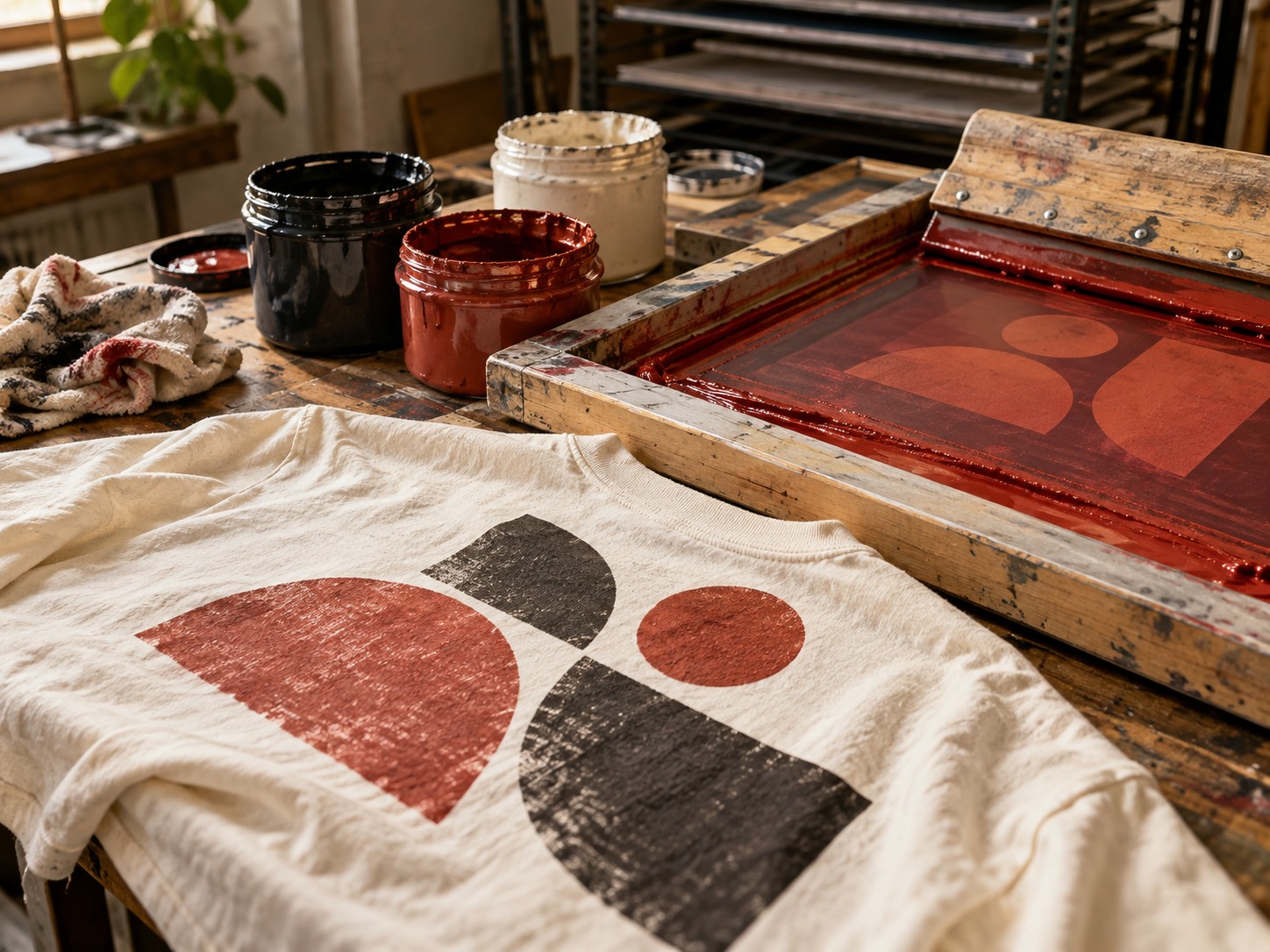
Screen printing is the workhorse of the industry. It uses a mesh stencil, or screen, to push ink through onto the fabric. For large runs, it is the most cost-effective method. The ink lays thick on the surface, which gives vibrant colors and a satisfying feel. It works best on cotton and cotton-blend fabrics. If your design uses solid colors without a lot of fine detail, screen printing is hard to beat.
But screen printing has limits. It does not handle complex gradients or photographic images well. Each color in the design requires a separate screen, so the setup cost goes up with every color. For a one-off shirt or a very small order, the setup cost might not make sense. Also, the ink sits on top of the fabric, so it can crack over time if not cured properly. A good printer knows how to balance ink thickness, mesh count, and curing temperature to maximize durability.
Direct-to-Garment (DTG) Printing
Direct-to-garment printing works like a high-end inkjet printer, but it prints directly onto the fabric. It is excellent for full-color designs, photographs, and small orders. You can print a single shirt with a complex image and the cost per shirt stays reasonable. DTG also allows for a soft hand feel because the ink soaks into the fibers.
The catch is that DTG works best on 100% cotton shirts. Polyester blends can cause the ink to bleed or wash out unevenly. Also, the process is slower than screen printing, so for large orders the per-unit cost stays higher. Pretreatment of the garment is often required, and if the pretreatment is uneven, the print quality suffers. For small batches or highly detailed art, DTG is a great option. For 500 identical shirts, screen printing is usually better.
Connect with us on Instagram.
Heat Transfer and Vinyl
Heat transfer methods use a vinyl or paper carrier that is pressed onto the garment with heat and pressure. This is common for small orders, names on sports jerseys, or designs that include metallic or reflective elements. The results can look crisp, but the material sits on top of the fabric. Over time, the edges can peel, especially if the garment is washed aggressively. This method is a solid choice for low quantities or special effects, but it is rarely the best option for large production runs where durability matters most.
Choosing the Right Garment
The shirt itself is just as important as the print. A great design printed on a low-quality garment will still look cheap. I have seen people spend good money on custom garment printing only to put it on a T-shirt that shrinks two sizes after the first wash. Always check the fabric content and the garment brand. Look for ringspun cotton or a good-quality poly-cotton blend if you want durability and comfort. Pre-shrunk fabrics help a lot. Also, consider the fit. A modern cut is different from a classic cut, and the wrong silhouette can make the whole order feel dated.
Color choice matters too. Printing a dark design on a dark shirt is hard; the ink may not show up well. Light ink on a dark shirt requires an underbase layer of white, which adds cost and can affect the feel. If you can, choose a garment color that works with your design rather than against it.
Preparing Artwork for the Best Results
Good artwork makes the printer's job easier and the final product better. Here are a few practical tips.
- Work at a high resolution. At least 300 DPI at the final print size is a safe starting point.
- Convert all fonts to outlines or curves. This avoids missing font problems.
- Use vector files when possible. EPS, AI, or SVG files scale cleanly and give the best edge quality.
- Keep text and critical details away from the edges of the print area. A little margin prevents seam or collar interference.
- If you are not sure about your file, ask the printer to review it before you approve the order. A quick check can save a lot of rework.
One thing I have learned is that less is often more. A simple design with two or three strong colors usually looks better than a busy one with ten colors. It also costs less to print and holds up better over time. If your brand mark has fine lines, ask the printer if they will hold up at the size you want. Some details that look good on a computer screen are too small to print cleanly on fabric.
Quantity, Budget, and Timing
Volume changes everything. In custom garment printing, the setup cost is spread across the entire run. For screen printing, the screens and setup time are the same whether you print 12 shirts or 120. So the per-unit price drops as the quantity goes up. If you need 20 shirts, you might pay a higher per-unit price than if you ordered 100. If you only need a few, DTG or heat transfer might be cheaper overall even though the per-unit cost is higher.
Budget is not just about the printing cost. Cheap printing often means cheap ink, cheap garments, or rushed work. I have seen orders where the ink was undercured and washed out after a month. I have seen shirts that were not pre-shrunk and ended up three sizes too small. Spending a little more up front usually saves money in the long run because the product lasts longer and looks better.
Timing is another factor. Screen printing shops often have a lead time of one to three weeks, depending on the workload. DTG can be faster for small orders, but the machine time is limited. If you need something in three days, be ready to pay a rush fee or accept a simpler method. Plan ahead whenever you can.
Common Mistakes and How to Avoid Them
I have made some of these mistakes myself, and I have seen customers make them too. Here are a few to watch for.
Not ordering a sample. Before you commit to a large run, ask for a proof or a sample. Check the color, the feel, and the fit. What looks good on a monitor might not look right on fabric. A sample is cheap insurance.
Ignoring the care label. Some printing methods require special care. Screen printing usually needs to be washed inside out in cold water and dried on low heat. If you hand the shirts out and people throw them in a hot dryer, the print may crack sooner. Include care instructions with your order if you can.
Overlooking the back of the shirt. Many designs look great on the front chest, but the back is a large blank canvas. A small logo on the back collar or a large design across the shoulder blades can add a lot of visual interest without making the front too busy.
Choosing the wrong color ink for the fabric. A metallic gold ink on a white shirt looks sharp. The same ink on a dark green shirt might disappear. Always check the contrast in person or with a physical swatch.
Sustainability in Custom Apparel
More customers are asking about eco-friendly options. This is not a trend that will fade. Many printers now offer water-based inks that are free of PVC and phthalates. These inks soak into the fabric rather than sitting on top, so they feel softer and are better for the environment. They also hold up well if cured correctly. Organic cotton and recycled polyester garments are widely available now. The cost is slightly higher, but for many organizations, the trade-off is worth it. If sustainability matters to your brand, ask your printer about their ink options and garment suppliers.
Another aspect is waste. Screen printing generates some waste from screens and ink. DTG printers use water and pretreatment chemicals. A good printer will manage their waste responsibly. Do not be afraid to ask about their practices. A shop that takes pride in their work will usually talk openly about it.
Custom garment printing is a craft that combines art, chemistry, and logistics. When done well, it produces something that people want to wear and keep wearing. When done poorly, it is a waste of money and materials. The key is to understand the trade-offs and to work with a printer who communicates clearly and honestly.
If you are in Southern California and looking for a reliable partner, DSP Printing at 11611 Salinaz Dr Ste O, Garden Grove, CA 92843, USA, provides custom screen printing and embroidered apparel services for businesses and organizations. You can reach them at +1 714-951-4919. They handle the whole process from artwork review to final delivery, and they have the experience to help you avoid the common pitfalls.